Public briefing
Police K9 dog training: how the teams are built and what they do
Behind every police dog is a handler, a selection process and years of repeat training. This primer explains the pieces at a general level for readers curious about the career, the dogs or the programs.
Independent public information. Not affiliated with any police agency, and not a source of training instruction.

Five briefings
Each one covers a single topic in plain terms.
How programs work
The roles a police dog may fill and why agencies run K9 units.
Read the guide02The handler path
What a department tends to look for in an officer who wants a K9 partner.
Read the guide03Choosing the dog
Traits agencies value, common breeds and the idea of a green dog.
Read the guide04Certification, in general
How teams are tested, re-tested and documented.
Read the guide05For trainers and handlers
How K9PN can help K9 trainers and handlers find people and be found.
Read the guideOne team, two members
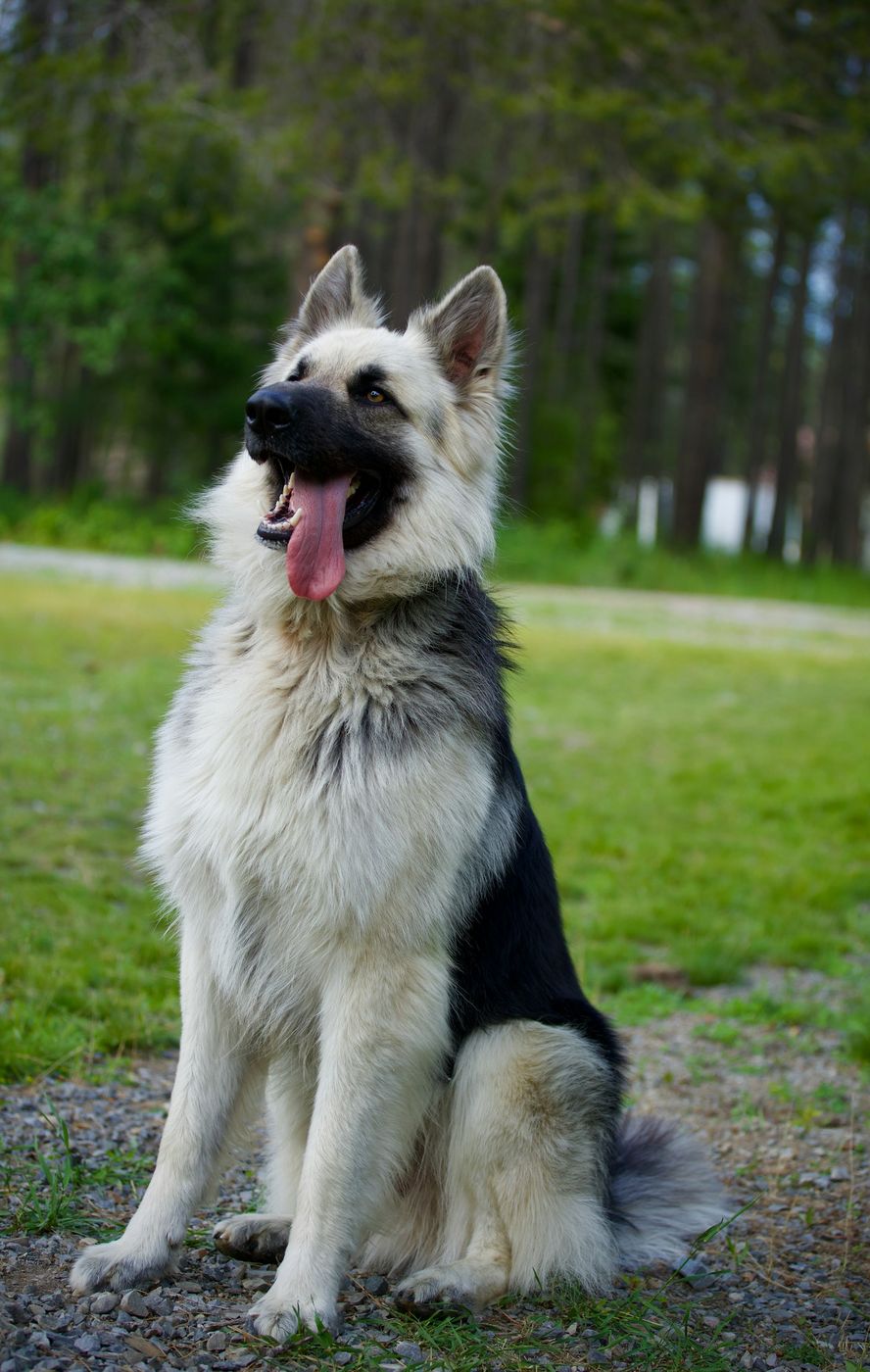
A police K9 is not just a dog with a badge-like job. It is a partnership. The handler is responsible for the dog's care, conduct and records, and the dog depends on the handler for clear direction.
That is why most of what agencies look for comes down to judgment, calm under stress and a willingness to keep learning.
Facts worth knowing
- Dogs have specialties
- Some work patrol, some detect odors, and some do both, depending on the agency's needs.
- Standards vary
- Departments, states and associations set their own rules and testing.
- Records matter
- Training and deployment logs help show that a team is reliable.
- It is a long game
- Teams keep training for as long as they work.
A word on boundaries
This site is not a recruiting page and does not speak for any agency. It also does not describe how police dogs are taught to bite or apprehend, because those skills are taught inside agencies or by qualified, insured professionals under controlled conditions.
Looking for a K9 trainer or program contact?
K9PN takes requests through its existing form and may refer you to an experienced professional.