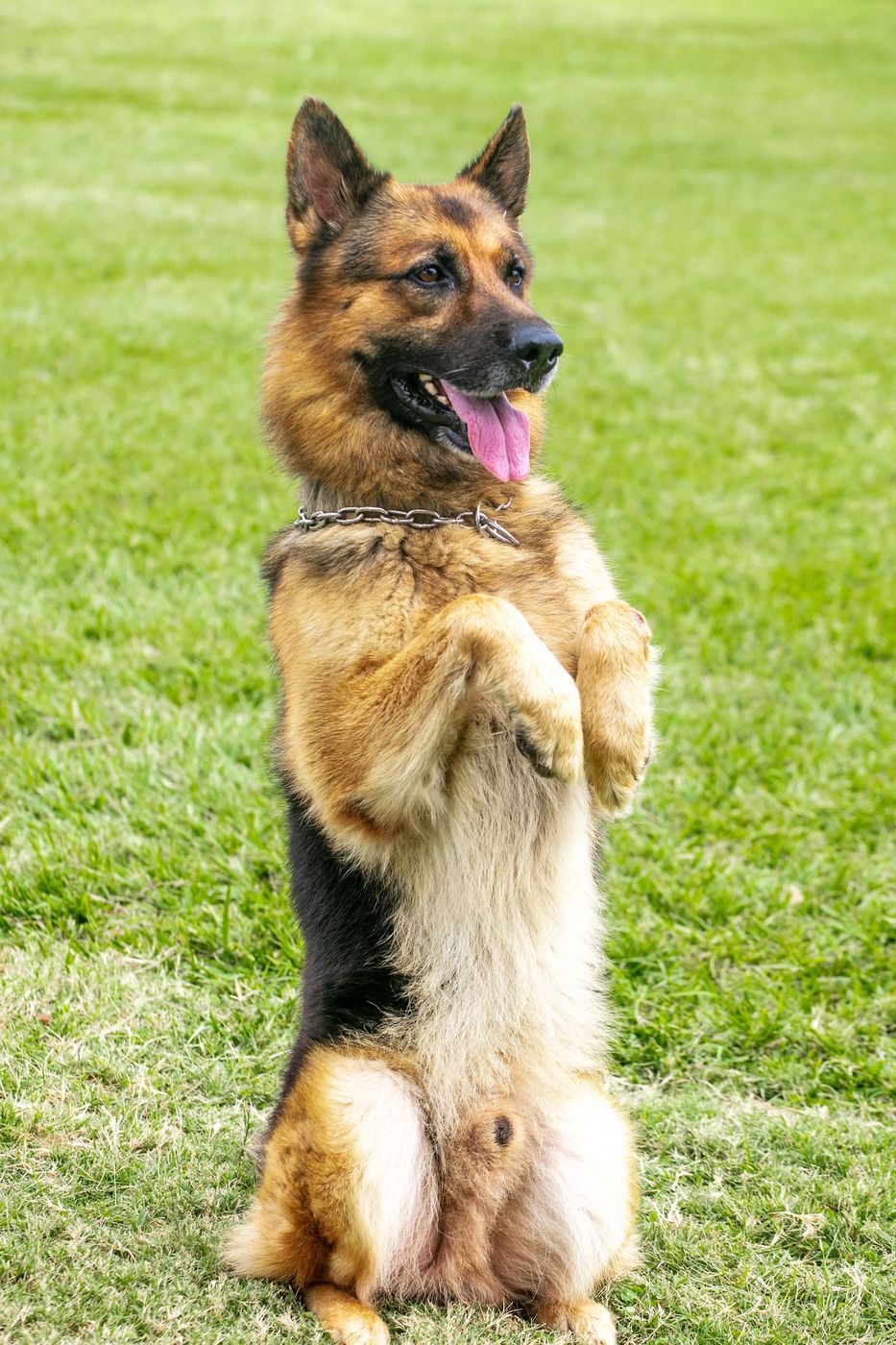
The jobs a K9 may do
Many agencies use dogs for locating people, searching buildings or open areas, and detecting odors such as drugs or explosives. Some dogs are trained for one task, others for several. What an agency needs depends on its community, its resources and its leadership.
How a unit is organized
A unit may be a handful of teams in a small department or a larger group with a supervisor and a training lead. Larger programs sometimes run their own training days and keep a trainer on staff. Smaller ones may borrow trainers or send teams to outside courses.
Why agencies use dogs
Dogs can search quickly, work in the dark and cover rough terrain. They can also be a calming or a controversial presence, which is why good programs invest in policy, supervision and public communication.
The limits
A dog is not a machine. Weather, fatigue, distractions and handler skill all affect results, which is why training and documentation never stop. Programs also operate under laws and court rulings that differ from place to place.
This is a general overview written for the public. It is not agency guidance, recruiting material or training instruction. Programs, standards and laws vary by agency and by state, so confirm details with the agency or certifying body involved.