Qualities that count
Agencies often look for confidence, curiosity, a strong desire to work, recovery after surprises and a stable attitude toward strangers. Dogs that are shy or reactive out of fear rarely succeed, no matter how athletic they are.
Breeds you will see
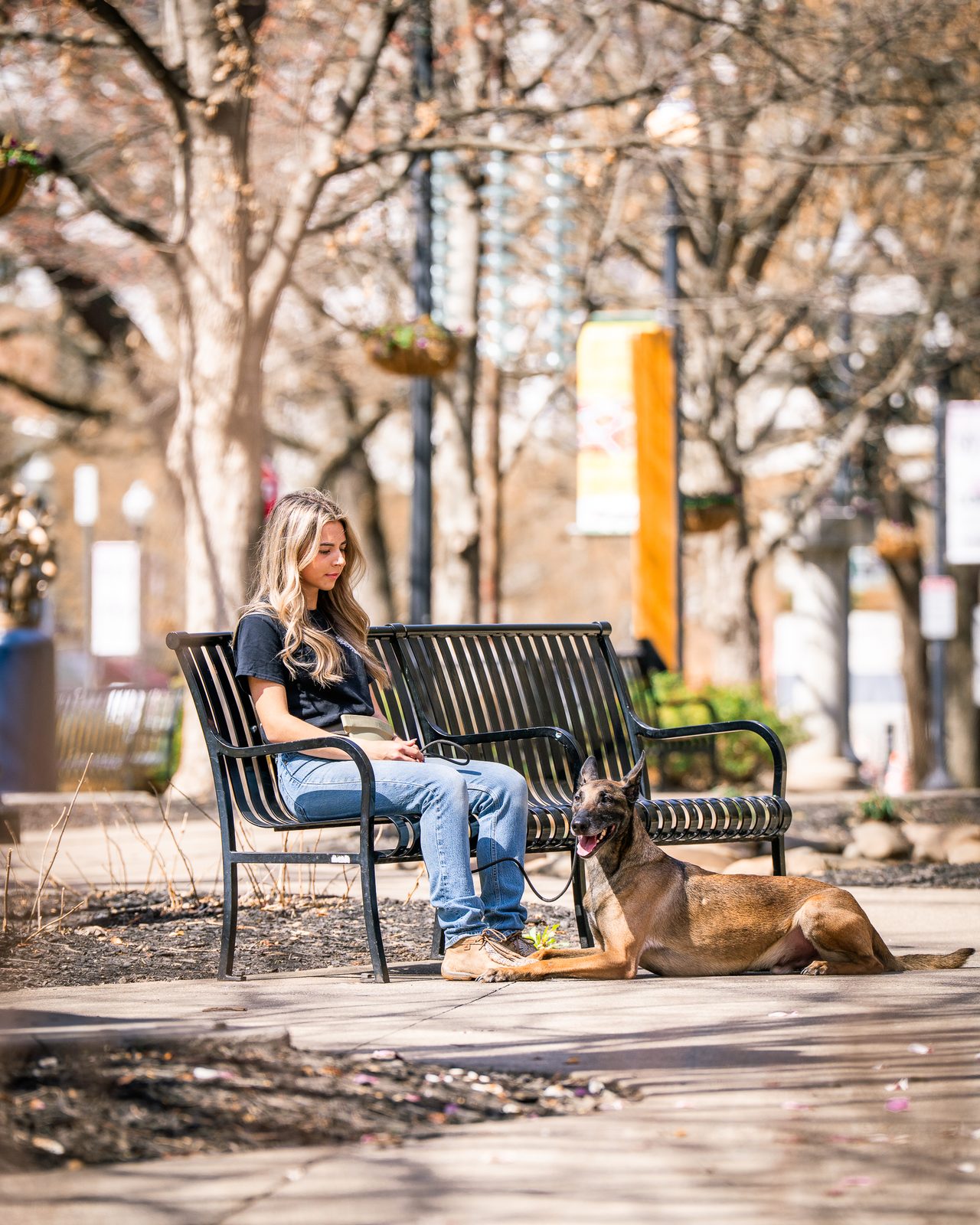
German Shepherds and Belgian Malinois are the most familiar choices. Dutch Shepherds and some other breeds also work, and detection dogs are often sporting breeds. Breed is a starting point, not a guarantee.
Green dogs and started dogs
A green dog is a young dog with promising traits and little formal training. A started or trained dog has already learned part of the job. Each choice has trade-offs in cost, time and predictability.
Health checks
Hips, elbows, spine and general soundness are reviewed because a working life is physically demanding. Many agencies involve a veterinarian before accepting a dog.
Why this is not a pet shopping guide
A police dog's traits can be hard to manage in a typical home. If you are shopping for a family companion, a working-line dog is often the wrong choice.
This is a general overview written for the public. It is not agency guidance, recruiting material or training instruction. Programs, standards and laws vary by agency and by state, so confirm details with the agency or certifying body involved.